

Cold Room
Why choose us?
Your Leading Cold Room Supplier
Established on 2010
In August 2010, Shanghai Zhexue Cold Chain Equipment Co., Ltd. was established in Shanghai.
OEM/ODM
With a strong technical team, we can provide the overall program design of refrigeration system.
Higher Quality
Zhexue is a national high-tech enterprise, cerified by CRAA, ISO and other relevant institutional organizations.
Wide Market
Our company has a wide range of markets covering Asia, Europe, South Africa, Australia and beyond.





What is a cold room?
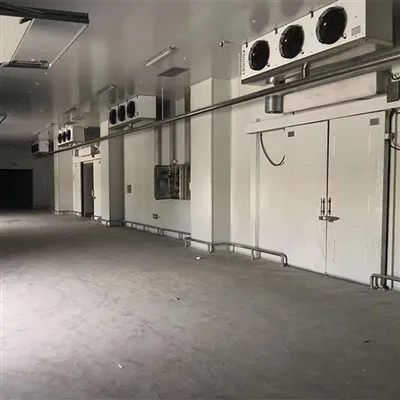
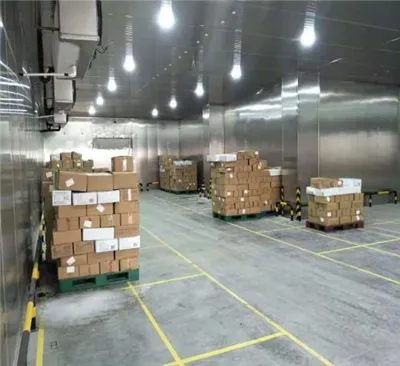
A cold room is a type of insulated, refrigerated space that is designed to maintain a set temperature. They’re used in professional kitchens to store food, as they can hold a lot of stock and can vary in size from a small walk in room to a larger warehouse. Sometimes they are called ‘walk-ins’
Cold rooms can’t be moved around, unlike other forms of commercial refrigeration. They need a specialist (like us) to install them.
Cold Room Features
Cold rooms can have a lot of extra features to improve day to day operations and performance:
Most will come with an automatic defrost that actively melts ice.
All modern cold rooms will have an emergency escape, in the form of an internal button that opens the door. Some may also include a panic button inside.
Automatic or manual interior lights are usually fitted as standard.
If you use trolleys to load stock, a ramp can be added. This also helps to reduce the trip hazard from the raised door frame.
Self closing doors are sometimes present to help reduce running costs.

advantages of Cold Room
Better sleep
Sleeping in a cooler room can help you fall asleep faster and stay asleep longer. A cooler room signals your body to drop its core temperature, which helps you enter restorative sleep phases. This can lead to better quality sleep, which can improve your mood and reduce stress.
Temperature control
Cold rooms can be adjusted to maintain a specific temperature, which can help prevent goods from dehumidifying or deteriorating.
Cost savings
Cold rooms can help reduce waste and improve stock management. This can lead to cost savings by reducing the need for frequent purchases and reducing losses from unsold or spoiled inventory.
Energy efficiency
Cold rooms are often insulated with high-quality materials to help keep the cold air in and ensure energy efficiency.
What are the different types of cold rooms
Remote Cold Rooms: A remote cold room refers to a setup where the refrigeration components are placed separately from the cold room itself. In this configuration, the evaporator is situated inside the cold room, while the compressor and condenser are located away from it. The positioning of the compressor and condenser is influenced by various factors related to the client's needs and the cold room's location.
The separation of the compressor and condenser from the cold room is primarily to mitigate the heat and noise they produce. This arrangement reduces operational costs by lowering heat generation, which in turn decreases electricity expenses. Additionally, relocating these components frees up space within the cold room, allowing for more storage capacity.
Saddle Mount Cold Room: Saddle mount cold rooms refer to a refrigeration system installation where the system is either suspended from the wall or placed on top of the cold room before the roof is installed. For wall-mounted units, the bracket holding the refrigeration system is inserted through slots cut into the top panel of the cold room. Saddle mount cold rooms are typically categorized as modular or walk-in types due to their compact, integrated design.
The appeal of saddle mount cold rooms lies in their single-unit design, which allows for rapid installation without the need for specialized refrigeration technicians. These systems are custom-designed with an integrated condensate line and come preassembled, enabling quick setup and immediate operation.
Penthouse Cold Rooms: Penthouse cold rooms are similar to top-mounted refrigeration systems but lack an evaporator coil inside the cold room. They are often chosen for spaces with limited room because the absence of an internal coil provides additional storage capacity. Instead, penthouse cold rooms use a condensate evaporator to prevent liquid damage. Cooling is achieved through a cooling coil, with air drawn in through louvers and inlets circulating over the coils for efficient heat transfer.
The design of penthouse cold rooms helps address concerns about mold and bacteria, as it avoids recirculating mold through the refrigeration system. In this setup, evaporators are housed in heat-insulated cells located outside the storage area and are connected to the cold room through an air-side breakthrough. This arrangement further enhances the suitability of penthouse cold rooms for environments with limited space.
Prefabricated Cold Room: Prefabricated cold rooms, also known as modular cold rooms, are designed for versatility and scalability. These self-contained units can be easily expanded, reduced, or relocated, making them suitable for adapting to changing cold room needs. Constructed from panels that fit together seamlessly, prefabricated cold rooms offer a secure and tight fit. The modular design allows for panels to be removed, reconfigured, and adjusted to meet specific requirements.
The adaptability of prefabricated cold rooms enables manufacturers to create customizable temperature settings and interior layouts. The primary feature, interlocking panels, provides effective insulation and helps maintain the desired temperatures. While clean rooms must be tightly sealed to prevent contamination, cold rooms require even tighter sealing to prevent leaks and ensure stable, consistent temperatures.
Skid Mounted Cold Room: Skid-mounted cold rooms are mobile units designed with a steel base for support, resembling the size of a trailer and featuring space underneath for lifting by a crane or large forklift. These units can be easily transported on a truck bed and are equipped with partitioned walls and doors of varying sizes. Their application and functionality are diverse, tailored to the specific needs of the user.
Skid-mounted cold rooms were developed to provide cold storage and environmental testing capabilities in remote locations with limited access. Their mobility offers the same benefits as permanent cold rooms but in a transportable format, making them ideal for locations with challenging conditions.
Combination Cold Room:The general definition of a cold room might suggest a straightforward structure designed to maintain low temperatures for various products, experiments, or storage. While this is often accurate, some cold rooms are required to fulfill multiple roles with differing environmental conditions within a single unit. Such a versatile cold room is known as a combination or combi cold room.
Combination cold rooms feature distinct temperature zones, each set to different temperatures to accommodate various materials being tested or stored simultaneously. This design allows for a range of activities without the need to adjust the cold room's controls frequently.
Temperature Blast Cold Room: Temperature blast cold rooms, also known as shock freezers or freezer rooms, are designed to rapidly lower temperatures to quickly freeze products, ensuring high quality. This process involves using powerful air fans to circulate cold air swiftly across the contents, achieving temperatures ranging from -35°C to -45°C (-31°F to -49°F).
Blast chilling cold rooms are typically large-scale units used primarily in the food industry to extend the shelf life of products while maintaining their nutritional value, aroma, and overall quality. Factors affecting food deterioration include the type of food, humidity, time, and temperature. These cold rooms efficiently manage these variables by reducing temperatures swiftly within 90 minutes.
Walk-In Cold Room:Walk-in cold rooms are large refrigerated storage spaces designed to store and protect perishable products and goods. They are used by businesses that need substantial cold storage capacity. The term "walk-in" refers to a variety of cold rooms, including those used in retail settings where preserving products is crucial. Walk-in cold rooms can encompass a range of refrigeration systems tailored to different needs.
There is some overlap between cold rooms and clean rooms, which are designed to maintain high levels of cleanliness while also controlling temperature, humidity, and pressure. A key difference is that clean rooms must adhere to strict cleanliness standards to qualify for their classification, a requirement not necessary for cold rooms. Despite this, both cold rooms and clean rooms are customized to meet specific industry requirements and specifications.
Solar Direct Cold Room:The primary function of a solar direct cold room is similar to that of other cold rooms: to maintain low temperatures for storing perishable items and temperature-sensitive equipment. The key distinction is that solar direct cold rooms are powered by solar panels, unlike conventional cold rooms which rely on traditional electrical sources.
In solar direct cold rooms, solar panels convert sunlight into electrical energy through photovoltaic cells, which then powers the refrigeration system. This makes them an energy-efficient alternative to conventional electricity, suitable for locations with ample sunlight. Similar to generator-powered cold rooms, solar direct cold rooms are particularly useful in remote areas with limited access to the electrical grid.
Material of Cold Room
Insulated panels are a popular choice for cold room construction due to their excellent thermal properties. These panels are usually composed of a core material, such as polyurethane foam or polystyrene, sandwiched between two layers of metal or other sturdy materials. The insulation in these panels helps maintain a consistent and controlled temperature within the cold room, minimizing temperature fluctuations and reducing energy consumption.
Stainless steel is widely used for the interior surfaces of cold rooms due to its hygienic properties and resistance to corrosion. It is easy to clean and maintain, making it suitable for storing food, pharmaceuticals, and other sensitive goods that require strict hygiene standards. Stainless steel surfaces also offer excellent durability and longevity, ensuring that the cold room remains in optimal condition for extended periods.
HDPE is a durable and moisture-resistant plastic material commonly used for the construction of cold room floors and ceilings. It provides a smooth and impermeable surface that is resistant to water and chemical damage, preventing moisture from seeping into the cold room and compromising the stored goods.
Vapor barrier films are essential for cold room walls and ceilings to prevent the infiltration of moisture and condensation. These films act as a barrier, reducing the risk of mold growth and maintaining the integrity of the cold room's insulation. When combined with insulated panels, vapor barrier films enhance the cold room's thermal efficiency and overall performance.
Cold room doors play a crucial role in maintaining temperature integrity and preventing heat ingress. Opt for thermal doors with proper insulation to minimize temperature fluctuations and reduce energy losses. The doors should have a reliable sealing mechanism to ensure an airtight closure, keeping the cold air inside and preventing warm air from entering.
Applying antimicrobial coatings to the interior surfaces of the cold room can help prevent bacterial growth and maintain a hygienic environment. These coatings inhibit the growth of microorganisms, reducing the risk of contamination and ensuring the safety of stored goods.
When it comes to lighting within the cold room, LED lights are the preferred choice. LED lights produce minimal heat and consume less energy, making them energy-efficient and less likely to impact the cold room's temperature. They also provide consistent and bright illumination, ensuring visibility and ease of operation within the cold storage facility.
Application of Cold Room
Post-Harvest Storage of Products
After fruits and vegetables are harvested, they begin to respire and ripen. To slow down the decay rate, they need to be kept under a lower temperature than average. Cold storage is used to preserve food items through refrigeration and controlled atmosphere rooms- where the concentration of different gases like oxygen, carbon dioxide, nitrogen, and carbon monoxide is maintained closely through precision devices. The cold storage industry offers a wide range of options, from warehouse refrigeration to precision devices and controlled atmosphere storage facilities. Since the production of fruit and vegetable crops happens on a large scale, it is not feasible for them to be marketed all at once. Hence, cold storage allows such perishable foods to be available for more extended periods, prolonging their shelf-life. Humidity also plays an essential role in preserving such foods. Seasonal fruits can last longer nowadays and are no longer available only for a certain number of months.
Retail Food Industry
Frozen foods (including meat, poultry, dairy products) are often easy to preserve and do not spoil easily. Frozen foods need to be stored at a maximum of -18C, and frozen food storage can fulfill this requirement only with specific cold storage equipment. The freezers make it possible for frozen food to be stored, transported, and distributed across long distances. It extends the shelf-life of different kinds of meat significantly and is beneficial to meat distributors and handlers. In turn, it helps meat distributors to expand their product range and reduces waste. The relative humidity is also kept at the highest possible measurement to prevent freezer burn and prevent the meat from drying out where its packaging may not be efficient. Various types of frozen foods have different stabilities in frozen storage depending on how long they can stay in storage without developing abnormal flavors and whether they discolor easily. Freezing retains sensory flavors and taste, along with the nutritious value of the product.
Pharmaceuticals and Healthcare Industry
In the medical field, there are several applications of cold storage. In laboratories, blood samples need to be stored at a particular temperature to retain their specifications. Many different medicines need to be held in medical refrigerators like insulin, chemotherapy medicines, vaccines, eye drops, et cetera. The medicines refrigerator is a standard device in hospitals, medical stores, and clinics with a narrow range of temperature between 2C and 8C. If specific body samples like blood samples and plasma are not kept under closely monitored conditions, they can change properties and become unusable. In healthcare, there are increasing developments with respect to transplants and surgery. An organ needs to be stored and transported at consistent cold temperatures to retain its utility. Skin grafts and tissues are used in plastic and restorative surgeries and have to be kept under closely controlled temperatures. Cold storage has made it possible for such things to be transported across long distances and contributes to saving lives.
Brewery and Winery Industries
Wine and beer need a consistent temperature to enhance their taste and retain their quality. Since liquor needs to be stored away from heat or direct sunlight, cold storage is an effective solution for long-term storage. Consistent temperature maximizes the lifespan for these products, along with controlled humidity. The production of wine, beer, and concentrated juice also requires refrigeration. For brewing and winemaking, a controlled fermentation reaction is needed. For example, lager-type beer requires 8 to 12C, whereas wine requires 27-30C. Fruit juice concentrates have become very popular because they cost less and have great nutritional value. They can be preserved for more extended periods than fruits.
Chemical and Processing Industries
Industries like petroleum refineries, petrochemical plants, and paper-making need large cooling systems. The requirements of each industry are different; hence the refrigeration systems are customized accordingly. The technology is used to separate gases, condensation of gases, dehumidification, solvent recovery, etc. Other similar industries also use the technology of refrigeration for cold treatment of metals
The Hospitality Industry
Hotels and restaurants have to serve a considerable number of customers throughout the day. There are numerous ingredients used in dishes served which have to be stored beforehand under cool temperatures. Refrigeration is necessary to keep such ingredients fresh to use in cooking during the day. Beverages and other consumables served in restaurants also need to be stored in refrigerators to keep them fresh. Moreover, hotels need to have personal refrigeration to store sanitary products and keep large reserves at their place for catering larger events.
Key points for cold room maintenance

Cleaning:
Wipe down all surfaces and floors regularly to remove dirt and debris.
Immediately clean up any spills to prevent bacteria growth.
Clean the evaporator coils and fins to ensure efficient cooling.
Temperature monitoring:
Regularly check the temperature to ensure it is maintained at the correct level for stored items.
Calibrate the temperature gauge as needed.
Door maintenance:
Inspect door seals for any gaps or damage that could allow warm air to enter.
Ensure the door closes completely and tightly.
Refrigeration system checks:
Monitor the defrosting cycle to ensure it is functioning properly.
Check for any unusual noises or vibrations from the refrigeration unit.
Inspect control valves and ensure they are functioning correctly.
Ventilation:
Ensure proper air circulation within the cold room.
Stock management:
Rotate stock to use older items first.
Check for expired products and remove them promptly.
Preventative maintenance:
Schedule regular maintenance checks with a qualified technician.
Address any issues promptly to avoid further problems.

Our factory


Our Certificate

FAQS
Q: Are cold rooms used just for food?
A: You can put anything that needs chilling or freezing in a cold room, including flowers, drinks, and ice sculptures.
Q: How are cold rooms powered?
A: Usually cold rooms only need a plug to operate, and they are incredibly power efficient. If your cold room is particularly large or powerful, you may need a hardwired connection.
Q: Can a cold room be moved once it’s installed?
A: It’s not usually a good idea to move a cold room once it’s been installed, but some of them can be. It’s best to get an expert to do this, to ensure nothing is damaged.
Q: Can I use regular doors for a cold room?
A: It is not recommended to use regular doors for a cold room. Regular doors lack proper insulation and sealing, which can lead to temperature fluctuations and increased energy consumption. Thermal doors designed for cold rooms provide the necessary insulation and sealing to maintain temperature integrity.
Q: Are there specific temperature requirements for cold rooms?
A: The temperature requirements for cold rooms depend on the type of goods being stored. Different perishable goods have specific temperature ranges for optimal preservation. For example, food items may require temperatures ranging from -18°C to 4°C, while pharmaceuticals may require temperatures as low as -70°C. It is essential to design the cold room to meet the specific temperature needs of the stored goods.
Q: Can I install shelving and racks in a cold room?
A: Yes, you can install shelving and racks in a cold room to maximize storage space and organize the stored goods. When selecting shelving and racks, choose materials that are compatible with the cold room environment, such as stainless steel or coated materials that resist corrosion and moisture. Additionally, ensure that the shelving and racks do not obstruct air circulation for efficient temperature distribution.
Q: Why is it called a cold room?
A: A cold room is so-called because it provides a large, cold environment that's suitable for storing perishable items. The name describes its purpose, distinguishing it from other forms of rooms or cold storage facilities that are designed for different temperature ranges.
Q: What is the meaning of coldroom?
A: : a room in which a low temperature is maintained (as for refrigeration)
Q: Is a cold room a fridge?
A: A commercial or industrial cold room is a larger refrigerating chamber. Within a cool room you will find a thermostat that artificially controls a set temperature.
Q: What is the difference between a cool room and a cold room?
A: The increased insulation and advanced cooling technology also contribute to a higher cost for cold rooms compared to cool rooms.
Q: What temperature is a cold room?
A: A cold room is an environmental room designed to control temperature as low as 35°F. Cold rooms are mainly used for storage of biological/chemical materials and reagents but can also be used for general chemistry and biological experiments.
Q: What is the difference between a freezer room and a cold room?
A: The basic difference between a walk-in freezer and a cold room is that the latter operates at a temperature ranging from -2C°and 5C° while freezer rooms ranges from -40C° to -18C°. So, cold room is considered as cold; but the freezer room is to freeze the items and preserve it further.
Q: What is the purpose of a cold room?
A: A refrigerating chamber or cold room is a warehouse in which a specific temperature is artificially generated. It is generally designed for storing products in an environment below the outside temperature. Products that need refrigeration include fruits, vegetables, seafood, meat, flowers.
Q: Which items are not allowed to be stored in a cold room?
A: DO NOT store cardboard or any paper products in cold rooms. Metal or plastic containers are allowed. If some paper products (e.g. Kim wipes) are required, place the item in a closed plastic container between uses.
Q: What is a standard cold room?
A: Depending on the specific requirements and usage, cold room temperatures can range from -40°C to -2°C (-40°F to 28.4°F). One of the primary benefits of cold rooms is their capability to offer precise temperature control for commercial and industrial applications that require long-term storage of perishable items.
Q: What is the temperature range for a cold room?
A: Most cold rooms are between -2°C and 10°C. The specific temperature will depend on what's being stored inside. If you need a colder solution, a cold room can be set up as a freezer, providing ultra cold storage between -50°C and -80°C.
Q: How long does a cold room last?
A: Factors Affecting the Lifespan of A Cold Room. Typically, the average lifespan of a cold room can range between 5 and 20 years. The reason there is such a difference in length is because there are different types of cold rooms and factors affecting your cold rooms that can influence its lifespan.
Q: Does a cold room need ventilation?
A: Ventilation is needed in the cold room and should not be closed up. A hollow wood door is installed. This is very wrong because the warm air will enter the cold room and create condensation in the cold room and will create an environment for mould growth
Q: What not to store in a cold room?
A: No storage of the following materials in a cold room. Cryogens- due to oxygen deficiency. Dry Ice- due to oxygen deficiency. Compressed gases other than air- due to oxygen deficiency. Flammables- due to fire risk. ...
No open flames.
Q: How much electricity does a cold room use?
A: For cooling expenditures, the typical refrigerated warehouse uses about 25 kWh of electricity per square foot per year. High energy usage in cold storage can be explained by thermodynamic principles. Heat naturally travels from hot spots to cold spots due to diffusion.
We're professional cold room manufacturers and suppliers in China, specialized in providing high quality products and service. We warmly welcome you to buy customized cold room at competitive price from our factory.
importer of cold room, sale of cold room, beverage cold room