

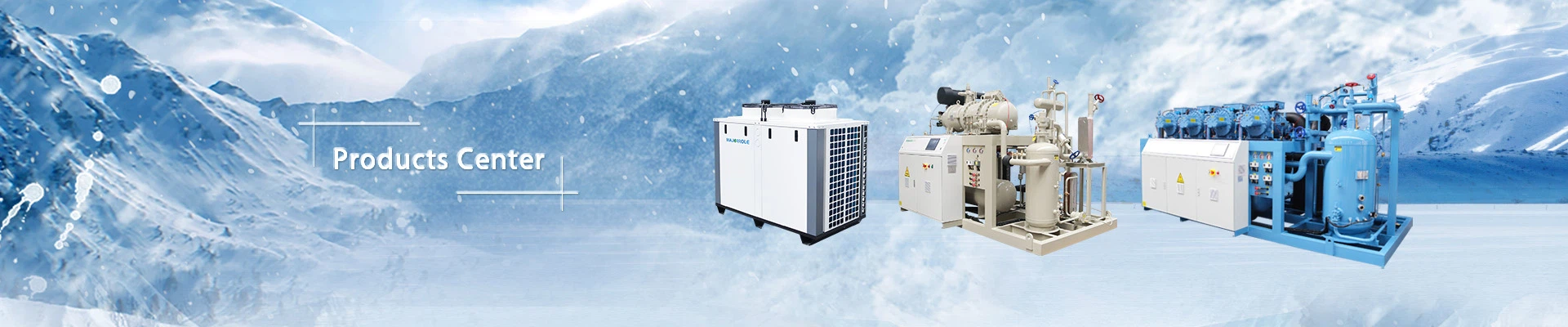
Condensing Unit
Why Choose Us
Variety of products
Our company offers a wide range of products, can offer a wide variety of products or services to their customers. This provides more options to choose from and can improve customer satisfaction.
Reliable quality
Our company have quality assurance mechanisms in place to ensure that their products meet certain standards. This can provide customers with confidence that they are getting a reliable product.
Competitive pricing
Our company provides customers with competitive pricing on its products without compromising their quality.
Customer service
Our team is highly responsive and always available to assist our customers with any questions or concerns.
What Is Condensing Unit?
The condensing unit is the heart of the air conditioning system. It is a device that compresses and condenses the refrigerant in the air conditioning system. The condensing unit usually consists of a compressor, a condenser, an expansion valve, and an evaporator.


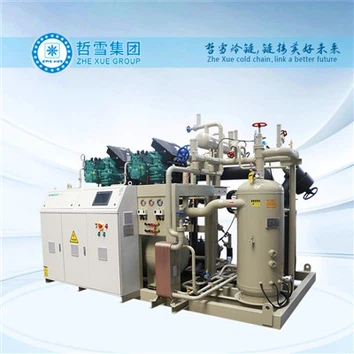


Condensing unit has the advantages of low height and compact size, so it is widely used in self-contained refrigeration cabinet, showcase and so on. It is installed under the commercial display cabinet or on the roof of the freezer. The condensing unit has the following advantages.
Energy saving: The condensing unit adopts advanced energy-saving technology, which can reduce energy consumption and operating costs.
High efficiency: The condensing unit has high efficiency, which can quickly cool or heat the air.
Compact structure: The condensing unit has a compact structure and small size, which saves installation space.
Low noise: The condensing unit operates quietly, which does not affect people's normal life and work.
Easy to maintain: The condensing unit is easy to maintain and repair, which reduces maintenance costs.
Key Takeaways:
● All air conditioning systems produce condensate during normal operation.
● Condensate must be drained or pumped from systems to avoid costly damage.
● Condensate pumps, drain pans, and drain lines require routine maintenance.
● Condensate overflow and leaks can cause water damage, mold growth, and unpleasant odors.
● Some condensate is corrosive and requires treatment.

What Are the Working Theory of Condensing Unit?

A condensing unit is a key equipment used in refrigeration, air conditioning, and heat pump systems. Its main function is to release the heat absorbed by the refrigerant from the evaporator into the external environment. The principle is to use refrigerant to turn into gas under high temperature and pressure, and transfer heat to the external environment through the cooling medium (usually water or air) in the condenser, cooling the refrigerant and turning it into a liquid. In this way, the refrigerant can be compressed again, becoming a high-temperature and high-pressure gas, and continuing to circulate.
The structure of a condensing unit usually consists of a compressor, condenser, expansion valve, and evaporator.
Air-cooled condensing units covers products that are specifically designed to provide cooling to other equipment and systems that incorporate evaporators (and associated expansion valve control systems). Air-cooled condensing units are factory-assembled units that consist of an air-cooled condenser, one or more compressors, and interconnecing pipe work. They may include liquid receivers, filter driers, oil separators, shut off valves and related controls, and a weatherproof housing.
An air-cooled condensing unit is a factory-assembled, packaged unit that consists of a refrigeration compressor, an air-cooled condenser and various ancillary components. This packaged unit does not contain a complete refrigeration system, but is designed to provide a convenient method for cooling a cold room or other equipment fitted with an evaporator that is controlled by an expansion valve.
Air-cooled condensing units are used in a variety of commercial and industrial cooling applications, including cold rooms, refrigerated display cabinets, back-bar equipment, temperature controlled food preparation areas, and for air conditioning systems.
Air-cooled condensing units are available in a range of different designs and efficiencies. The Energy Technology List (ETL) Scheme aims to encourage the purchase of the higher efficiency products.
The ETL Scheme covers products in three temperature categories:
● High temperature units.
● Medium temperature units.
● Low temperature units.
These categories are defined in terms of the product performance at a particular temperature rating point. Products may be submitted under more than one category.
To be eligible for inclusion on the ETL, products shall meet the requirements as set out below.
What Are the Common Faults of Condensing Units?
Refrigerant leakage: This is one of the most common faults in condensing units. Refrigerant leakage can cause the unit to fail to cool properly, and it is necessary to promptly check and repair the leakage point.
Compressor failure: The compressor is one of the core components of the condensing unit, and its failure may cause the unit to malfunction, requiring timely replacement or maintenance of the compressor.
Electrical failure: Electrical failure may cause problems such as the inability to start, unstable operation, or shutdown of the unit. It is necessary to inspect electrical circuits and components, and repair or replace them.
Condenser failure: The condenser is one of the important components of the condensing unit, and its failure may cause the unit to be unable to dissipate heat normally. It is necessary to clean or replace the condenser in a timely manner.
What Is the Difference Between a Condenser and a Condensing Unit?


Compressors and Condensers both two main components of an air conditioning system. A Compressor is an important component placed inside the condensing unit. They both are parts of the split-system air conditioner and a heat pump's outdoor condensing unit. A Compressor unit helps to control the amount of pressure applied to the refrigerant for the removal of heat to keep your home interiors cool and also to take heat indoors to warm your space.
A condensing is another name to the outdoor HVAC unit. This unit can either be an air conditioning unit or a heat pump. A typical condensing unit comprises of a compressor, fan and a condensing coil. A condenser acts as a heat exchanger for most parts. A compressor is a part of the condensing unit and helps to control the heat. It should be kept clean and clear for the efficient functioning of the HVAC unit. A compressor is used to compress the gas to increase its presence.
What Size Is a Residential Condensing Unit? (Square Footage)
|
Area being cooled, in Square Feet |
Capacity (in BTU's) needed = square feet * 35 |
|
450 – 550 |
15,750 – 19,250 BTU's |
|
550 – 700 |
19,250 – 24,500 BTU's |
|
700 – 1,000 |
24,500 – 35,000 BTU's |
|
1,000 – 1,200 |
35,000 – 42,000 BTU's |
Common faults
Refrigerant leakage: This is one of the most common faults in condensing units. Refrigerant leakage can cause the unit to fail to cool properly, and it is necessary to promptly check and repair the leakage point.
Compressor failure: The compressor is one of the core components of the condensing unit, and its failure may cause the unit to malfunction, requiring timely replacement or maintenance of the compressor.
Electrical faults: Electrical faults may cause problems such as the inability to start, unstable operation, or shutdown of the unit. It is necessary to inspect electrical circuits and components, and repair or replace them.
Condenser failure: The condenser is one of the important components of the condensing unit, and its failure may cause the unit to be unable to dissipate heat normally. It is necessary to clean or replace the condenser in a timely manner.
Fan malfunction: Fan malfunction may cause the unit to be unable to dissipate heat properly, and it is necessary to replace the fan in a timely manner.
Filter blockage: Filter blockage may cause the unit to malfunction and requires timely replacement of the filter.
Solution
Refrigerant leakage: Check the leakage point and repair it. If the leakage is severe, it is necessary to refill the refrigerant.
Compressor malfunction: Check the electrical and mechanical parts of the compressor and repair or replace them.
Electrical failure: Check electrical circuits and components, and repair or replace them.
Condenser malfunction: Clean or replace the condenser.
Fan malfunction: Replace the fan.
Filter blockage: Replace the filter.
What Is the Life Expectancy of a Condensing Unit?
Unlike furnaces, air conditioners are often outdoors and exposed to extreme temperatures throughout the year, which shortens their life expectancy. Modern air conditioners can last between 15-20 years, and older air conditioners last around 10-12 years.
The health and efficiency of your A/C depends on a number of factors, including whether or not you properly maintained the unit throughout its lifetime. If you skipped the yearly A/C tune-ups, your A/C’s lifespan may be shorter than it was meant to be. The lifespan can also be affected by how often you use the unit, how hot and humid it gets in the area you live, and whether or not the unit was sized correctly when it was purchased for your home.
If you kept your air conditioner in good condition over its lifetime, expect to need a replacement in about 10-15 years. Keep in mind that as your A/C grows older, its mechanical parts can become unavailable or obsolete over time. If you aren’t able to replace a broken part, you will need to purchase new unit.

A condenser (or AC condenser) is the outdoor portion of an air conditioner or heat pump that either releases or collects heat, depending on the time of the year.
Both split air conditioner and heat pump condensers are made of the same basic parts. The condenser cabinet contains the condenser coil, a compressor, a fan, and various controls. The condenser coil can be made of copper tubing with aluminum fins or all-aluminum tubing so heat can be rapidly transferred.
The condenser fan is a vital component and circulates the air across the coil to facilitate heat transfer. The compressor is the heart of the system since it compresses the refrigerant and pumps it to a coil in the form of a hot gas.
In air conditioners, the refrigerant is cooled at the condenser into a warm liquid, and passes through a pipe into the evaporator coil where it expands and cools. In heat pumps, the hot gas is pumped directly to the evaporator coil to provide heat.
How to Choose Condensing Unit?
Choosing the right condensing unit is crucial for the efficient and reliable operation of a refrigeration or air conditioning system. Here are some factors to consider when selecting a condensing unit.
Capacity and Load Requirements: Determine the cooling capacity needed based on the size of the space to be conditioned and the heat load. Ensure the condensing unit has sufficient capacity to handle the load.
Type of Refrigerant: Consider the type of refrigerant the condensing unit uses. Different refrigerants have different properties and environmental impacts. Choose a refrigerant that is compatible with your system and meets local regulations.
Energy Efficiency: Look for a condensing unit with high energy efficiency ratings. Energy-efficient units can help reduce operating costs and environmental impact.
Climate and Operating Conditions: Consider the local climate and operating conditions. Some condensing units are designed for specific temperature ranges and humidity levels. Ensure the unit can withstand the anticipated operating environment.
Noise Level: If noise is a concern, look for condensing units with low noise ratings or consider sound insulation measures.
Quality and Reliability: Choose a reputable manufacturer with a track record of producing reliable condensing units. Read reviews and ask for recommendations from industry professionals.
Service and Support: Consider the availability of after-sales service and support from the manufacturer or supplier. A good warranty and prompt technical assistance can be valuable in case of any issues.
Installation Considerations: Evaluate the size, weight, and installation requirements of the condensing unit. Ensure it can be properly installed in the available space and comply with local building codes.
Cost: Consider the initial cost of the condensing unit, but also factor in long-term operating costs, energy efficiency, and potential maintenance expenses.
Our Factory
On October 27, 2017, Zhexue Group setled in Nantong.
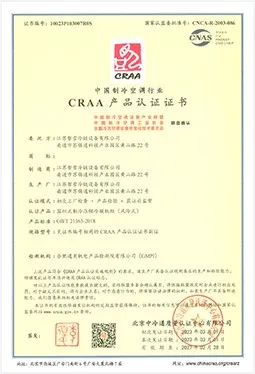
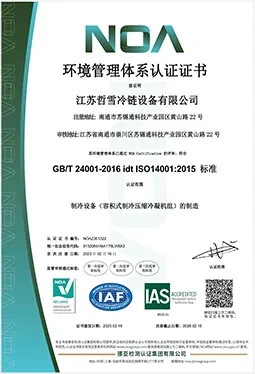
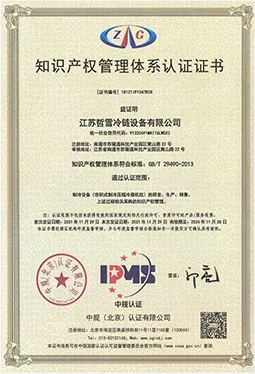
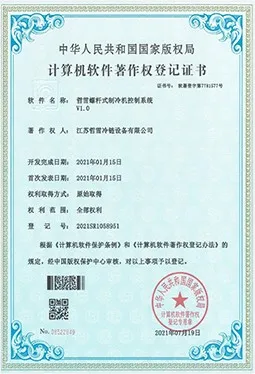
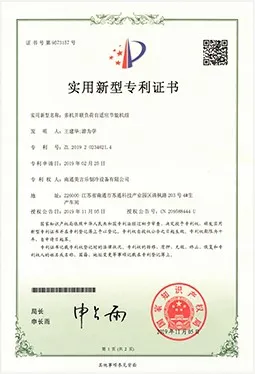
As a national high-tech enterprise, Zhexue has a construction enterprise qualification certificate, a special equipment production license of the People's Republic of China, a Chinese equipment maintenance and installation enterprise capability level certificate, a CRAA product certification certificate, and a safety production license. China Refrigeration Society unit membership certificate and other qualifications, and passed the ISO9001 quality management system, IS045001 occupational health and safety management system and S014001 environmental management system certifcation.
With refined product manufacturing and meticulous quality pursuit, Zhexue pilots and wins in the field of refrigeration, integrating advantages and innovating resources, focus on improving the enterprise's ability to integrate innovation and the ability to introduce, digest, absorb, and re- innovate, and embark on a road of innovation and entrepreneurship with independent itellectual property rights.


Our Honor
Official certification, professional after sales service.
Ultimate FAQ Guide to Condensing Unit
Q: How close can condensing units be to each other?
The proximity of the units can hinder each other's air intake, making it challenging for the air conditioner to cool the house. If one unit pulls in hot air from the other, it may suffer from overheating. A minimum spacing of 4ft between the units is essential.
Q: What is the life expectancy of a condensing unit?
Q: Where is the best place to put a condensing unit?
Q: What is the difference between a condenser and a condensing unit?
Q: Do condensing units need condensate drains?
Q: How long does it take to replace a condensing unit?
Q: Is a condensing unit the same as an AC unit?
Q: Is there a compressor in a condensing unit?
Q: How much is a capacitor for a condensing unit?
Q: How far should condensing unit be from house?
The best way to maintain this breathing room for your condenser is to allow 2–3 feet of clearance on all sides. Installing your AC unit too close to the house will prevent proper airflow and cause functionality issues. The cooling system will have to work harder, resulting in higher energy bills. Improper clearance can also be dangerous to both the system and your home.
Q: What are the uses of condensing units?
Q: Does a condensing unit have a fan?
Q: What is the difference between a condenser and a condensing unit?
Q: Do condensing units need condensate drains?
Q: Is a condensing unit and a compressor the same thing?
Q: Is a condensing unit a chiller?
Q: Does a condensing unit have a motor?
Q: Is a condensing unit a split system?
Q: What is the function of the condensing unit?
Q: How are condensing units powered?
We're professional condensing unit manufacturers and suppliers in China, specialized in providing high quality products and service. We warmly welcome you to buy customized condensing unit at competitive price from our factory.
energy efficient condensing unit, modular condensing unit, refrigerant condensing unit