


Commercial Evaporator
Why Choose Us
Variety of products
Our company offers a wide range of products, can offer a wide variety of products or services to their customers. This provides more options to choose from and can improve customer satisfaction.
Reliable quality
Our company have quality assurance mechanisms in place to ensure that their products meet certain standards. This can provide customers with confidence that they are getting a reliable product.
Competitive pricing
Our company provides customers with competitive pricing on its products without compromising their quality.
Customer service
Our team is highly responsive and always available to assist our customers with any questions or concerns.
What Is Commercial Evaporator?
A commercial evaporator is a device used in commercial heating, ventilation, and air conditioning (HVAC) systems or commercial refrigeration systems. It plays a crucial role in the heat transfer process.Commercial evaporators are designed to remove heat from a liquid or gas by vaporizing it. In HVAC systems, they are commonly used to cool the air in a building or specific area. The evaporator works by allowing a refrigerant to flow through its coils, where it absorbs heat from the surrounding air, causing the refrigerant to change from a liquid to a gas.The design and construction of commercial evaporators can vary depending on the application and specific requirements. They may be air-cooled or water-cooled, and can be made of different materials such as copper or aluminum. The size and capacity of the evaporator are determined by the heat load and cooling demands of the particular system.Commercial evaporators are an essential component in commercial HVAC and refrigeration systems, as they directly affect the efficiency and performance of the overall system. Proper selection, installation, and maintenance of commercial evaporators are crucial to ensure optimal cooling or heating capabilities and energy efficiency.


The advantages of commercial evaporators can vary depending on the specific application and needs. When choosing a commercial evaporator, it's essential to consider factors such as the size of the facility, heat load, energy efficiency goals, and maintenance requirements.
Efficient heat transfer: They are designed to optimize the heat transfer process, ensuring efficient cooling or heating.
Large capacity: Commercial evaporators can handle higher cooling or heating loads, making them suitable for larger commercial spaces.
Durability and reliability: Built to withstand heavy usage and demanding environments, they offer long-term reliability.
Energy efficiency: Modern commercial evaporators often incorporate energy-saving features to reduce operating costs.
Customizable solutions: They can be tailored to specific commercial applications, accommodating unique space and load requirements.
Easy maintenance: Designed with accessibility in mind, they allow for easier cleaning and maintenance, maximizing their lifespan.
Versatility: Available in various types and configurations, commercial evaporators can be used in a wide range of applications, such as air conditioning, refrigeration, and industrial processes.
What Is the Maintenance of Commercial Evaporator?
Commercial evaporator maintenance and cleaning are essential to avoid fouling, corrosion, freezing, and reduced heat transfer. Inspect the commercial evaporator coils, fins, and tubes for dirt, dust, oil, mold, or other contaminants that can affect the heat transfer and air quality. Clean the commercial evaporator coils, fins, and tubes with a soft brush, vacuum, or compressed air. Avoid using harsh chemicals or abrasive tools that can damage the evaporator surface or cause leaks. Check the commercial evaporator drain pan and line for clogs, leaks, or algae growth. Clean and flush the drain pan and line with water and a mild disinfectant to ensure proper drainage and slope of the drain line. Additionally, monitor the evaporator pressure, temperature, and superheat to ensure proper operation and efficiency. Adjust the expansion device or refrigerant charge if needed.
A commercial evaporator unit is an invaluable tool in any industrial setting. It is used for many applications such as reducing moisture in the air to improve indoor air quality, collecting liquid spills and residues, and reducing air temperature in hot and humid work areas.
The condensed liquid produced by the unit can be used for irrigation and cooling systems, as well as for industrial cleaning. It also helps to reduce humidity levels which prevent the growth of mold and bacteria. Commercial Evaporator is also used for regulating air flows in air conditioning systems, maintaining temperature levels in refrigeration units, and for reducing mist and fog in industrial settings.
A commercial evaporator unit is also used to aid in food processing as it helps to reduce the moisture content of food products. This helps to preserve the quality and freshness of the food items.In addition, the unit can be used to remove excess water from wood products and reduce drying times in the production of paper products.
Overall, a commercial evaporator unit is an essential piece of equipment for any industrial setting. It helps to reduce energy costs and ensures that safety and health regulations are met.

What Are the Common Types of Commercial Evaporators?

The choice of commercial evaporator type depends on factors such as the specific application, heat load, available resources (such as water or air), and system requirements. Each type has its advantages and considerations, and the best option will depend on the unique circumstances of the project. Here are some common types of commercial evaporators.
Air-cooled evaporators: These evaporators use air as the cooling medium. They are commonly used in air conditioning and refrigeration systems.
Water-cooled evaporators: They rely on water to remove heat. Water-cooled evaporators are often found in large-scale commercial cooling applications.
Direct expansion evaporators: In these commercial evaporators, the refrigerant directly comes into contact with the air being cooled. They are simple and cost-effective.
Flooded evaporators: This type has a pool of liquid refrigerant on the commercial evaporator coil. Flooded evaporators are used in certain applications where precise temperature control is needed.
Shell and tube evaporators: Consisting of a shell with tubes inside, they are suitable for high-pressure and high-temperature applications.
Plate heat exchangers as evaporators: These are compact and have a high heat transfer efficiency. They are often used in industrial processes.
Commercial evaporators and expansion devices are essential components of refrigeration and air conditioning systems, but they also require regular maintenance and cleaning to ensure optimal performance and efficiency.
Commercial evaporator function and types
An commercial evaporator is a heat exchanger that absorbs heat from the refrigerant and transfers it to the medium being cooled, such as air or water. The refrigerant enters the commercial evaporator as a low-pressure liquid and exits as a low-pressure vapor. There are different types of commercial evaporators, such as plate, finned, flooded, and direct expansion, each with its own advantages and disadvantages.
Expansion device function and types
An expansion device is a valve that controls the flow of refrigerant from the high-pressure side to the low-pressure side of the system. It also reduces the temperature and pressure of the refrigerant before it enters the commercial evaporator. There are different types of expansion devices, such as capillary tubes, thermostatic expansion valves, electronic expansion valves, and automatic expansion valves, each with its own characteristics and applications.
Commercial evaporator maintenance and cleaning
Commercial evaporator maintenance and cleaning are essential to avoid fouling, corrosion, freezing, and reduced heat transfer. Inspect the commercial evaporator coils, fins, and tubes for dirt, dust, oil, mold, or other contaminants that can affect the heat transfer and air quality.
Expansion device maintenance and cleaning
Expansion device maintenance and cleaning are important to prevent malfunction, leakage, or improper refrigeration control. It is necessary to inspect the expansion device for signs of wear, damage, or corrosion, and replace it if it is defective or beyond repair. Clean the expansion device using a soft cloth, solvent, or compressed air, but avoid using water or oil that can cause rust or contamination.
Common problems and solutions
Commercial evaporators and expansion devices can be affected by a variety of problems, such as ice formation on the commercial evaporator coils or fins, refrigerant leakage from the commercial evaporator or expansion device, or poor refrigeration control or efficiency. Low refrigerant charge, low airflow, dirty coils, or faulty defrost system can cause ice formation. Refrigerant leakage can be caused by corrosion, vibration, stress, or improper installation.
Benefits of regular maintenance and cleaning
Undertaking regular maintenance and cleaning of commercial evaporators and expansion devices can bring a multitude of advantages, such as improving the heat transfer and cooling capacity of the system, reducing energy consumption and operating costs, extending the lifespan and reliability of system components, enhancing indoor air quality and comfort for occupants, and preventing costly repairs or breakdowns.
What Are the Main Parts of an Commercial Evaporator?
When it comes to your commercial evaporator, there are 4 main parts that you should know. They are the condenser coil, evaporator, expansion valve, and compressor. Each plays a vital role in how well your unit performs as a whole. If an issue even occurs with just one, it can throw a wrench in the performance of your commercial evaporator.
Condenser coil
The condenser coil has a big job to do. It works to take refrigerant from its gas form and turn it back into a liquid.
The exchange happens once that air touches the condenser coil and it moves through it. Though it may seem like a small part of a huge system, any problems here can turn into something much bigger for your air conditioning unit.
Evaporator
The evaporator works in a similar fashion to the condenser coil. The difference is that it converts the refrigerant into gas.
It does so by taking the heat from your home which is absorbed by the refrigerant. It’s an important component that helps to keep the temperature down in your home.
Expansion valve
The expansion valve works very closely with your evaporator. When the evaporator takes in all the hot air, the expansion valve removes the pressure from it.
It can also limit the amount of refrigerant that reaches your evaporator coil. This refrigerant is also temperature controlled by these two components.
Compressor
The compressor, like many other important components, also works with the refrigerant.
Its main job is to circulate both energy and refrigerant. It has the ability to push both to the other parts of the unit. Through all of these processes, your home receives cool air.
How Do I Choose the Right Commercial Evaporator for My Needs?

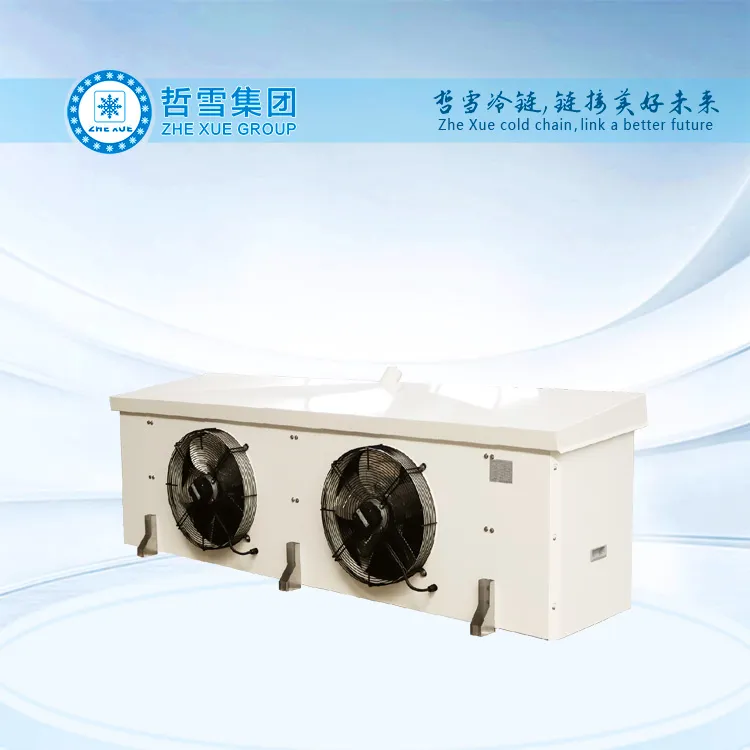
Choosing the right commercial evaporator for your specific needs requires careful consideration of several factors. Here are some key points to keep in mind:
Heat load calculation: Determine the total heat load of the space or process that needs to be cooled or heated. This will help you select an commercial evaporator with the appropriate capacity.
Size and space limitations: Evaluate the available space for the evaporator and ensure it fits the installation area. Consider the dimensions and layout of the facility.
Energy efficiency: Look for commercial evaporators with high energy efficiency ratings to minimize operating costs and environmental impact.
Refrigerant type: Select a commercial evaporator compatible with the desired refrigerant. Different refrigerants have varying properties and environmental considerations.
Cost: Consider the initial purchase cost as well as the long-term operating and maintenance costs.
Application requirements: Consider the specific application, such as air conditioning, refrigeration, or industrial processes. Different commercial evaporators are designed for different purposes.
Our Factory
On October 27, 2017, Zhexue Group setled in Nantong.
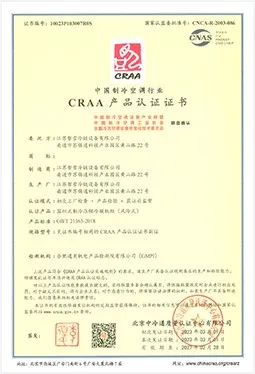
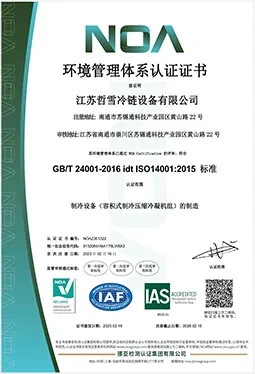
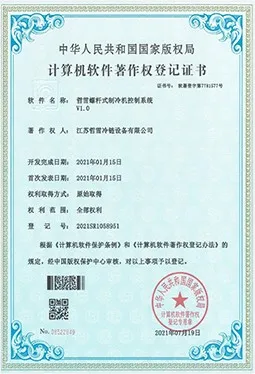
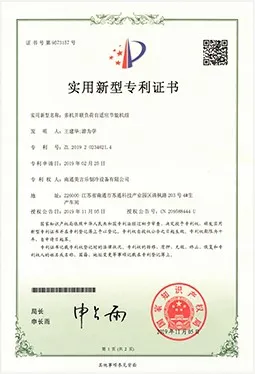
As a national high-tech enterprise, Zhexue has a construction enterprise qualification certificate, a special equipment production license of the People's Republic of China, a Chinese equipment maintenance and installation enterprise capability level certificate, a CRAA product certification certificate, and a safety production license. China Refrigeration Society unit membership certificate and other qualifications, and passed the ISO9001 quality management system, IS045001 occupational health and safety management system and S014001 environmental management system certifcation.
With refined product manufacturing and meticulous quality pursuit, Zhexue pilots and wins in the field of refrigeration, integrating advantages and innovating resources, focus on improving the enterprise's ability to integrate innovation and the ability to introduce, digest, absorb, and re- innovate, and embark on a road of innovation and entrepreneurship with independent itellectual property rights.


Our Honor
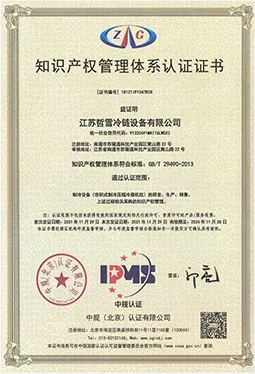
Official certification, professional after sales service.
Ultimate FAQ Guide to Commercial Evaporator
Q: How Does a Commercial Evaporator Work?
Q: What are the criteria for Commercial Evaporator selection?
Q: What is the most efficient Commercial Evaporator?
Q: What are the basics of Commercial Evaporator?
In a typical rising film evaporator, the heat exchanger is mounted vertically and the evaporator liquid flows in an upward direction through the tubes.
Q: What are the 4 main types of Commercial Evaporators?
Bare Tube Evaporators.
Plate Surface Evaporators.
Finned Tube Evaporators.
Shell and Tube Evaporators.
Q: What are the limitations of commercial evaporator?
Q: What affects the capacity of an commercial evaporator?
Q: How can you increase the efficiency of an commercial evaporator?
Q: How important is heat exchanger in the commercial evaporator?
Q: Why is it important to have superheat at the outlet of the commercial evaporator?
Q: How do you calculate the performance of an commercial evaporator?
Capacity (kg vaporized / time)
Economy (kg vaporized / kg steam input)
Steam Consumption (kg / hr)
Q: Does pressure change in an commercial evaporator?
Q: What are the applications of commercial evaporator in industry?
Q: Which commercial evaporator is used in pharmaceutical industry?
Q: What are three everyday applications of evaporation?
Q: What is the use of commercial evaporator in ac unit?
Q: What are three applications of commercial evaporator in different industries?
Chemical plant waste systems.
Removal of solvents from oils.
Cannabinoid oil refining.
Pharmaceutical product recovery from waste streams.
Gelatin production.
Concentration of sugar solutions.
Sodium hydroxide (naoh) production.
Q: How do you maintain an Commercial Evaporator?
Step 1: Remove foil-wrapped insulation at front of plenum; it's probably taped in place.
Step 2: Clean entire underside of evaporator unit with stiff brush.
Step 3: Clean tray below evaporator unit.
Step 4: Put unit back into place, reinstall plate, and tape insulation back over it.
Q: How do you clean and hygiene evaporators?
Q: How does a Commercial Evaporator work?
We're professional commercial evaporator manufacturers and suppliers in China, specialized in providing high quality products and service. We warmly welcome you to buy customized commercial evaporator at competitive price from our factory.
evaporator for commercial southeast asian restaurants, evaporator for commercial trailers, commercial refrigerated cabinet evaporator