


Blast Freezer Evaporator
Why Choose Us
Variety of products
Our company offers a wide range of products, can offer a wide variety of products or services to their customers. This provides more options to choose from and can improve customer satisfaction.
Reliable quality
Our company have quality assurance mechanisms in place to ensure that their products meet certain standards. This can provide customers with confidence that they are getting a reliable product.
Competitive pricing
Our company provides customers with competitive pricing on its products without compromising their quality.
Customer service
Our team is highly responsive and always available to assist our customers with any questions or concerns.
What Is Blast Freezer Evaporator?
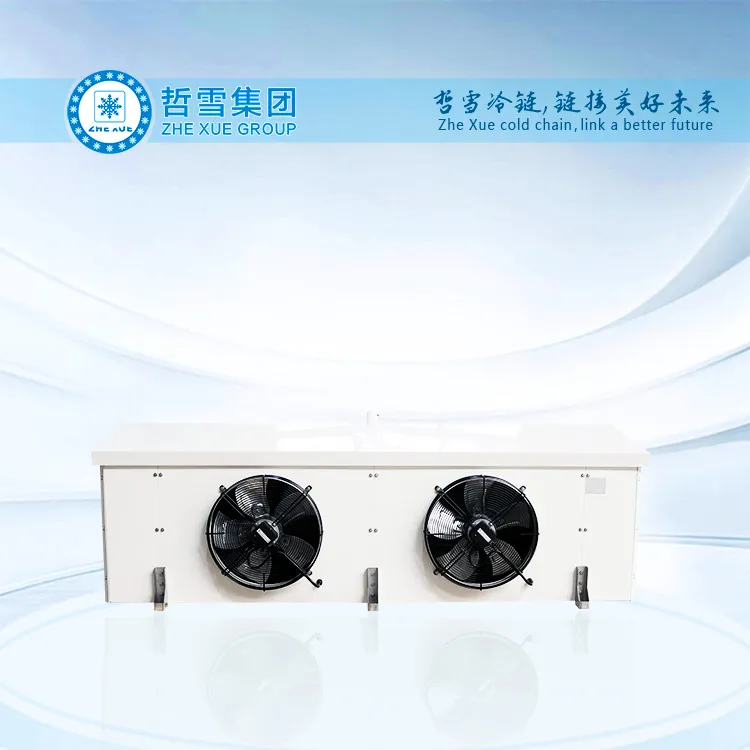
Blast freezer evaporator is an important part of refrigeration equipment, often called air flow freezing evaporator. It is mainly used to absorb heat during the freezing process to quickly cool the air or materials, thereby achieving rapid freezing. In air flow freezing equipment, the blast freezer evaporator usually works together with a fan to blow cold air or refrigerant through the materials that need to be frozen, thereby quickly reducing the temperature of the materials. This freezing method has the advantages of fast, uniform and efficient, so it has been widely used in food, medicine, chemical industry and other fields.


When choosing a blast freezer evaporator, it's important to consider factors such as the desired temperature range, cooling capacity, space limitations, energy efficiency goals, and maintenance requirements. Blast freezer evaporators offer several advantages, including the following:
Rapid cooling: They can achieve extremely low temperatures in a short amount of time, making them ideal for freeze-drying, cryopreservation, and food processing applications.
High heat transfer efficiency: Their design and operation optimize heat transfer, allowing for efficient cooling.
Compact size: They are relatively small and compact, making them suitable for installations with limited space.
Low maintenance requirements: They are simple in design and require minimal maintenance, reducing operating costs.
Energy efficiency: Modern blast freezer evaporators often incorporate energy-saving features to reduce power consumption.
Reliable performance: They are designed to withstand harsh operating conditions and provide consistent performance over time.
How Do I maintain a Blast Freezer Evaporator?
It's important to refer to the manufacturer's guidelines and instructions for the specific model of blast freezer evaporator you are using. They may provide additional maintenance tasks and recommendations based on the equipment's design and requirements.By following these maintenance practices, you can help ensure the efficient and reliable operation of the blast freezer evaporator, extending its lifespan and optimizing its performance. To maintain a blast freezer evaporator, here are some general maintenance tips.
Regular cleaning: Clean the evaporator coils and surrounding areas to remove dirt, dust, and debris. This helps improve heat transfer efficiency.
Check and clean the air filters: Ensure the air filters are clean and in good condition to prevent air flow restrictions.
Monitor refrigereant levels: Check and maintain the proper refrigerant levels as specified by the manufacturer.
Inspect the evaporator for leaks: Regularly check the evaporator for signs of refrigerant leaks and address them promptly.
Lubricate moving parts: If applicable, lubricate the moving parts of the evaporator to ensure smooth operation.
Schedule professional maintenance: Follow the manufacturer's recommendations and schedule periodic professional maintenance checks.
Address any issues promptly: If you notice any unusual noises, performance degradation, or other problems, have them inspected and repaired by a qualified technician.
Keep the surrounding area clean: Maintain a clean and well-ventilated environment around the blast freezer to ensure optimal performance.
Cleaning the Blast Freezer Evaporator Can Extend Its Service Life
Not all blast freezers have the same service life this time period depends on their usage, environment, and the company but most of the blast freezers usually have a service timeline of about 5 and 10 years. Properly certified cleaners take many steps to extend the service life of your blast freezer evaporators and to keep these freezers in the best operating condition. You should always turn off your blast freezer evaporators when they are not in use because they are not designed on the pattern of normal refrigerators, and they are designed for specific functions only.
Although blast freezer evaporators are designed for some specific functions unlike normal freezers, all the maintenance requirements of blast chillers are somehow the same as refrigeration equipment. You still have to clean all the condenser coils; this is a very important step, and it does not only keep the unit chill in the best way, but it is also very important for ideal energy productivity. Not just the interior but the exterior of your blast freezer evaporators should also be kept clean and wiped down properly with a mixture of mild soap and water after use.
Other than keeping the inside clean, you should also keep the probes in working order. So that they do not get damaged if closed in a door. You should always keep the drain lines clear of condensate water to prevent blockage. If you notice any sort of inconsistency in the cooling of your unit, workers should make sure that the condenser is clean.
Blast Freezer Evaporator, also known as Blast Freezer Evaporator, is mainly used in food, medicine and other industries that require rapid freezing. Here are its main uses.
Food industry: Rapid freezing evaporator is used for rapid freezing of food, such as ice cream, meat, seafood, fruits and vegetables, etc. By freezing quickly, you can maintain the freshness, taste and nutritional value of food while extending its shelf life.
Pharmaceutical industry: In the pharmaceutical field, rapid freezing evaporators are used to prepare vaccines, blood products and other biological products that require rapid freezing. These products need to be frozen at strict temperatures and times to ensure their stability and effectiveness.
Laboratory research: In laboratory research such as biology, chemistry and physics, rapid freezing evaporators are used to quickly freeze samples for subsequent experimental analysis. For example, in biology, rapid freezing can preserve the activity and structure of cells and provide support for subsequent molecular biology research.
How Often Should I Replace the Air Filters in a Blast Freezer Evaporator?

This can help you establish a regular maintenance schedule and ensure the filters are always in good condition. The frequency of replacing the air filters in a blast freezer evaporator can vary depending on several factors, including the quality of the air in the surrounding environment, the frequency of use of the blast freezer, and the specific requirements of the equipment. However, here are some general guidelines.
Manufacturer's recommendations: Refer to the manufacturer's documentation or user manual for specific replacement intervals. They may provide recommendations based on the type of filters and the operating conditions of the evaporator.
Workload and usage: If the blast freezer is used frequently or in a dusty or contaminated environment, the air filters may need to be replaced more often.
Visual inspection: Regularly inspect the air filters for signs of dirt, clogging, or damage. If they appear dirty or blocked, it may be time to replace them.
Regular maintenance and cleaning: It is very important to maintain and clean the blast freezing evaporator regularly. This includes cleaning the surfaces of the condenser and evaporator, inspecting and replacing damaged parts, and ensuring that all connections and seals are in good condition.
Proper use and operation: Ensure that operators receive appropriate training on how to properly use and maintain blast freezing evaporators. Follow the equipment's instruction manual and operating procedures to avoid improper operation or overuse.
Control environmental factors: The working environment of the blast freezer evaporator has a great impact on its service life. Make sure the equipment is installed in a suitable environment and is free from dust, dirt and other contaminants. Also, maintain good ventilation around the device and avoid excessive heat or moisture.
Regular inspection and maintenance: Regularly check the performance and operating status of the blast freezer evaporator to find and solve problems in time. If the equipment malfunctions or becomes abnormal, you should contact professionals for repairs in time to avoid further deterioration of the problem.
Use high-quality parts and consumables: When replacing parts or consumables, choosing high-quality products can ensure the performance and stability of your equipment. Use of incompatible or low-quality parts and supplies may result in equipment damage or reduced performance.
How to Choose Blast Freezer Evaporator?
When choosing a blast freezer evaporator, here are some factors to consider:
Capacity and size: Determine the required cooling capacity based on the size and heat load of the area or product to be frozen. Ensure the evaporator can handle the necessary load.
Temperature range: Check if the evaporator can achieve the desired low-temperature range for blast freezing.
Energy efficiency: Look for an evaporator with good energy efficiency ratings to minimize operating costs.
Refrigerant compatibility: Ensure the blast freezer evaporator is compatible with the specified refrigerant used in your system.
Construction and material quality: Consider the durability and corrosion resistance of the blast freezer evaporator materials.
Cost and budget: Consider the initial investment and operating costs within your budget.
Blast Freezers operate at an air temperature of -30°C to -40°C, compared to the standard freezer, usually kept at 0°C. While a normal freezer takes around 6-12 hours to freeze food, the much colder temperature in a blast freezer evaporator provides an accelerated freezing process of approximately 3 hours.
A blast freezer evaporator is a chilling machine that is able to rapidly chill products and store them for a short period of time. It does not completely freeze the contents and they will experience extensive drip loss if stored in a blast chiller for a long period of time.
The main difference is that a blast freezer allows the storage of frozen products for a longer period of time. This is because the temperature within a blast freezer evaporator is far lower than a blast chiller, allowing it to freeze the entire content of the storage.
Our Factory
On October 27, 2017, Zhexue Group setled in Nantong.
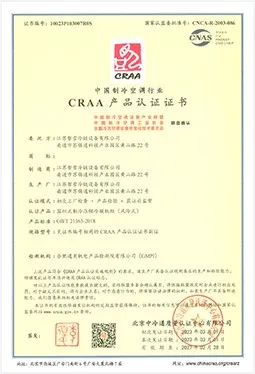
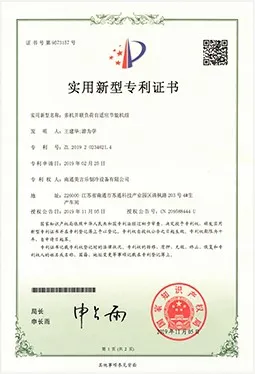
As a national high-tech enterprise, Zhexue has a construction enterprise qualification certificate, a special equipment production license of the People's Republic of China, a Chinese equipment maintenance and installation enterprise capability level certificate, a CRAA product certification certificate, and a safety production license. China Refrigeration Society unit membership certificate and other qualifications, and passed the ISO9001 quality management system, IS045001 occupational health and safety management system and S014001 environmental management system certifcation.
With refined product manufacturing and meticulous quality pursuit, Zhexue pilots and wins in the field of refrigeration, integrating advantages and innovating resources, focus on improving the enterprise's ability to integrate innovation and the ability to introduce, digest, absorb, and re- innovate, and embark on a road of innovation and entrepreneurship with independent itellectual property rights.


Our Honor
Official certification, professional after sales service.



Ultimate FAQ Guide to Blast Freezer Evaporator
Q: What is the minimum temperature for a blast freezer evaporator?
Q: What is the suction pressure on a blast freezer evaporator?
Q: What is the ideal evaporating temperature for a blast freezer evaporator?
Q: What are the rules for a blast freezer evaporator?
Q: What are the components of a blast freezer evaporator?
Q: How do you clean a blast freezer evaporator?
Q: Blast freezer evaporators be cleaned after each use?
Q: What is the shelf life of a blast freezer evaporator?
Q: Are blast freezer evaporators worth it?
Q: What is the difference between a freezer and a blast freezer evaporator?
Q: How do you maintain a blast freezer evaporator?
Q: What are the 3 main steps involved in freeze-drying?
Q: What are the different types of blast freezer evaporators?
The Continuous Blast Freezer – Food is continually fed through a chamber or tunnel by trays, conveyor belts or trucks.
Batch Blast Freezers – This single-load design transfers goods into the freezer chamber in groups.
Q: Do I need a blast freezer evaporator?
Q: What is the purpose of a blast freezer evaporator?
Q: Why use a blast freezer evaporator?
Q: What is the minimum temperature for a blast freezer evaporator?
Q: What is the suction pressure of the evaporator?
Q: What is the normal suction pressure on a compressor?
Q: What is the normal suction pressure for a refrigeration system?
We're professional blast freezer evaporator manufacturers and suppliers in China, specialized in providing high quality products and service. We warmly welcome you to buy customized blast freezer evaporator at competitive price from our factory.
Large Quick Freezing Evaporator, Low Temperature Quick Freezing Evaporator, High Pressure Quick Freezing Evaporator