

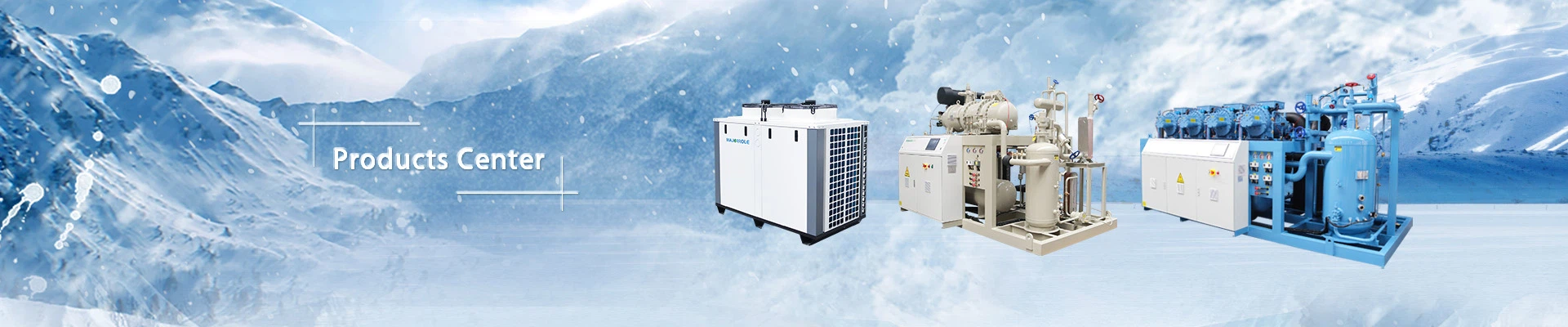
Evaporator
Why Choose Us
Variety of products
Our company offers a wide range of products, can offer a wide variety of products or services to their customers. This provides more options to choose from and can improve customer satisfaction.
Reliable quality
Our company have quality assurance mechanisms in place to ensure that their products meet certain standards. This can provide customers with confidence that they are getting a reliable product.
Competitive pricing
Our company provides customers with competitive pricing on its products without compromising their quality.
Customer service
Our team is highly responsive and always available to assist our customers with any questions or concerns.
What Is Evaporator?
An evaporator is a device or component used in various systems to convert a liquid into a vapor. In the context of HVAC (heating, ventilation, and air conditioning) systems, an evaporator plays a crucial role in the cooling process. The evaporator is typically located inside an air handler or indoor unit of an HVAC system. It contains a coil or tubes through which a refrigerant flows. The refrigerant, usually in a liquid state, enters the evaporator. As the liquid refrigerant comes into contact with the coil, it absorbs heat from the surrounding air. This heat causes the refrigerant to boil and change from a liquid to a vapor. Evaporators can also be found in other applications, such as in dehumidifiers, where they remove moisture from the air by cooling it below its dew point. In automotive air conditioning systems, evaporators cool the inside of vehicles.


The advantages of an evaporator depend on the specific application and system design, Selecting the right evaporator for a particular need ensures optimal cooling, energy efficiency, and performance.
Cooling and dehumidification: Evaporators are essential in refrigeration and air conditioning systems, as they remove heat and moisture from the air, providing a cool and comfortable environment.
Efficient heat transfer: Evaporators are designed to maximize heat transfer efficiency, allowing for effective cooling of the surrounding medium.
Precise temperature control: They enable precise control over the temperature, crucial in applications where specific temperature ranges are necessary.
Dehumidification and moisture removal: By reducing the moisture content in the air, evaporators help prevent the growth of mold, mildew, and bacteria, improving air quality.
Energy savings: Well-designed evaporators can contribute to energy-efficient systems, reducing power consumption and operating costs.
Easy maintenance and cleaning: Many evaporators are designed for easy access and cleaning, ensuring optimal performance and longevity.
Compact and space-saving designs: Modern evaporators are often compact, making them suitable for installations where space is limited.
Improved system performance: A properly functioning evaporator enhances the overall performance and efficiency of the associated systems.
Versatile applications: Evaporators are used in a wide range of industries, including HVAC, food processing, chemical engineering, and automotive.
What Are the 4 Main Types of Evaporators?
Bare Tube Evaporators
Bare tube evaporators are the simplest type of evaporator. These evaporators are generally just refrigerant tubes that are made of either copper or aluminum.
There is refrigerant inside the refrigerant tube that absorbs heat from the air and vaporizes inside the tube. Heat transfers across the surface area of the metal refrigerant tubes.
We generally find these evaporators in household refrigerators and freezers. This is because bare tube evaporators are less effective than the other evaporators we will talk about. These evaporators will not work for large cooling requirements in commercial uses.
Plate Surface Evaporators
Plate surface evaporators are flat, as shown in this image. These evaporators are made up of two plates that are joined together. Usually the two plates are made of aluminum because it conducts heat well.
Liquid refrigerant flows through a tube made between the two plates. This tube carrying refrigerant is the raised part of the plate that we can see in this image.
The refrigerant flows through the tube and absorbs heat from the air. Because the refrigerant tube touches the plates, the aluminum plates act to increase the surface area that heat can transfer. Heat can transfer to the aluminum plates, and because the plates are connect to the tubes, heat transfers from the plate to the refrigerant in the tube.
Plate surface evaporators are an improvement over bare tube evaporators because they have a higher surface area for air to flow through. The higher the surface area, the more heat can be transferred into the refrigerant.
Plate surface evaporators are generally used in small appliances like household refrigerators, home freezers, beverage coolers, or ice cream cabinets.In plate surface evaporators, food can be placed directly on the plate for more effective cooling.
Finned Tube Evaporator
The finned tube evaporator is more complex and more effective. A fin is a very small plate that is attached to the body of the evaporator. As you can see in this image, finned tube evaporators have a lot of fins attached to its body.
At each fin, there is a transfer of heat into the evaporator coils. The more fins there are, the more heat that can be transferred This is what makes the finned tube evaporators the most effective of them all.
Since the fins are made of metal and can be sharp, we have to be careful when handling finned tube evaporators. During service, we also need to be careful because we can damage the fins since they stick out.
Shell and Tube Evaporators
A shell and tube evaporator consists of a copper tube bundle inside a large outer shell. They are generally very efficient at cooling large quantities of water. This is why shell and tube evaporators are used for chillers in industrial or commercial settings where large quantities of cold water are needed.
The copper tubes contain the water that we are trying to chill. In this video, the red represents the hot water flowing through the inner copper tubes in the evaporator.
The outer shell of the evaporator is a large container of refrigerant fluid. This shell is sealed off and leakproof to prevent refrigerant from escaping. Heat will transfer from the water to the outer shell that contains refrigerant, which will cool the water.
In this module, we discussed the different types of evaporators and compared what they are used for.

The operation of an evaporator depends on the specific model and application.Evaporators work by removing heat and moisture from the air. Here's a brief explanation of how they operate.
Heat transfer: Liquid refrigerant is piped into the evaporator, where it comes into contact with a surface that is cooler than its boiling point. This causes the refrigerant to boil and turn into a gas, releasing heat energy into the surrounding air.
Moisture removal: As the refrigerant boils, it attracts water vapor from the air. The water condenses on the surface of the evaporator and is piped away for removal.
Refrigerant cycle: The hot, dry gas refrigerant leaves the evaporator and is piped to the compressor. The compressor pressurizes the refrigerant, increasing its temperature and pressure. The refrigerant is then piped to the condenser, where it releases heat and condenses back into a liquid. The liquid refrigerant is piped back to the evaporator to repeat the cycle.
Fan assistance: In some evaporators, a fan blows air over the surface of the evaporator to increase the rate of heat transfer and moisture removal. This can improve the efficiency and performance of the system.
Here are five telltale signs that your ac coils are dirty and need to be cleaned.
Your electricity bill has been going up: If you look at your utility bills and notice an unexplained increase, dirty AC coils could be to blame. Once you have the coils cleaned, your AC should go back to being more efficient and your electricity bill should go back to normal.
Your unit seems to be running longer for no reason: When the AC coils are dirty, the unit has to work longer and harder to cool the inside space. You'll hear the blower running and feel air coming out of the ducts for a long period of time. Not only does this contribute to the higher energy bills we just covered but it can put extra wear and tear on your unit, which reduces its total service life.
Your home doesn't feel as cool as it should be: If your coils are really dirty or blocked, then the heat is going to get trapped. Think of this like a traffic jam where the heat inside your home can't move through the system to get released outside. So even if the AC is running, it will blow out warm or slightly cooled air.
The Coil is Covered in Frost While Running: If the coil is very dirty and condensation is present, then it can actually freeze on the coil. This isn't normal and is a sure sign that it needs to be cleaned. Failure to do so may lead to a loss of heat transfer to the surrounding air and subsequently a complete loss of AC cooling.
Higher Indoor Humidity: Because the evaporator coil removes moisture and heat from the air, it reduces the humidity inside your home. When the coil is blocked or dirty, this process is not efficient and you'll notice that your home feels more humid than usual.

The specific design and application of an evaporator depend on the system it is part of and the requirements of the particular process or application. Here are some examples of evaporators.
Air conditioning systems: Evaporators are a key component in residential, commercial, and industrial air conditioning units. They cool and dehumidify the indoor air.
Refrigerators and freezers: These appliances contain evaporators to remove heat from the interior and keep the food cold.
Dehumidifiers: Dehumidifiers use evaporators to extract moisture from the air, reducing humidity levels.
Automotive air conditioning: Cars and trucks have evaporators in their HVAC systems to cool the passenger compartment.
Process cooling: In industrial processes, evaporators are used to cool liquids or gases, such as in chemical plants or food processing facilities.
Chillers: Evaporators are found in chillers, which are used to cool water or other fluids for various applications, like cooling machinery or data centers.
Vapor compression distillation: This type of evaporator is used in distillation processes to separate and purify substances.
Desalination systems: Evaporators are employed in desalination processes to remove salt from seawater or brackish water to produce fresh water.
Ice machines: Ice makers rely on evaporators to freeze water and create ice.
HVAC systems in buildings: Evaporators are used in large-scale HVAC systems in office buildings, shopping malls, and hospitals to maintain a comfortable indoor environment.
How to Choose Evaporator?
Choosing the right evaporator involves considering several factors. It's important to assess your specific needs and requirements, and possibly seek professional guidance, to choose the evaporator that best suits your application. Additionally, comparing different options and considering factors such as efficiency, reliability, and cost can help you make an informed decision.Here are some guidelines to help you make an informed decision.
System requirements: Determine the specific cooling capacity and temperature range needed for your application. This will ensure the evaporator can handle the load.
Refrigerant type: Select an evaporator compatible with the refrigerant being used in your system. Different refrigerants have specific requirements.
Size and capacity: Calculate the appropriate size and capacity of the evaporator based on the heat load and space available. Oversizing or undersizing can affect efficiency.
Energy efficiency: Look for evaporators with high energy efficiency ratings to minimize power consumption and operating costs.
Material and construction: Consider the durability and corrosion resistance of the evaporator. Materials like aluminum or copper may be suitable for certain applications.
Manufacturer reputation: Research and choose a reputable manufacturer with a track record of producing quality evaporators.
Cost and budget: Consider the initial cost of the evaporator as well as long-term operating and maintenance expenses.
Customization options: If necessary, explore if the evaporator can be customized to meet specific requirements, such as special coatings or configurations.
Compatibility with other components: Ensure the evaporator is compatible with the rest of the HVAC system, including compressors, condensers, and controls.
Professional advice: Consult with HVAC experts or contractors who can provide valuable insights and recommendations based on their experience.
Our Factory
On October 27, 2017, Zhexue Group setled in Nantong.
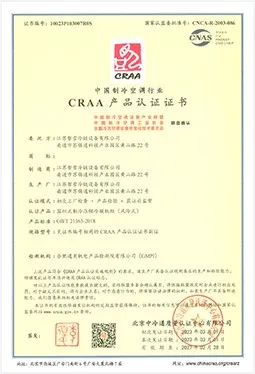
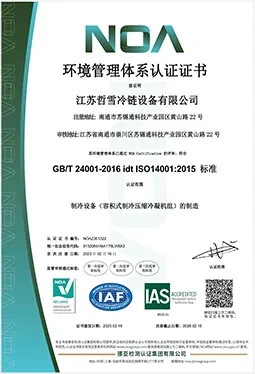
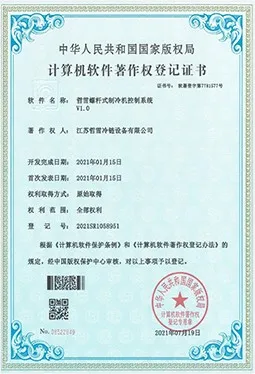
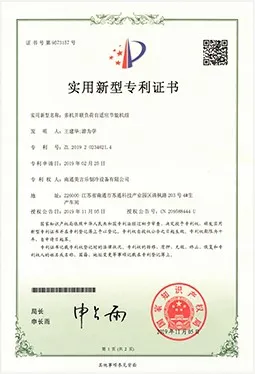
As a national high-tech enterprise, Zhexue has a construction enterprise qualification certificate, a special equipment production license of the People's Republic of China, a Chinese equipment maintenance and installation enterprise capability level certificate, a CRAA product certification certificate, and a safety production license. China Refrigeration Society unit membership certificate and other qualifications, and passed the ISO9001 quality management system, IS045001 occupational health and safety management system and S014001 environmental management system certifcation.
With refined product manufacturing and meticulous quality pursuit, Zhexue pilots and wins in the field of refrigeration, integrating advantages and innovating resources, focus on improving the enterprise's ability to integrate innovation and the ability to introduce, digest, absorb, and re- innovate, and embark on a road of innovation and entrepreneurship with independent itellectual property rights.


Our Honor
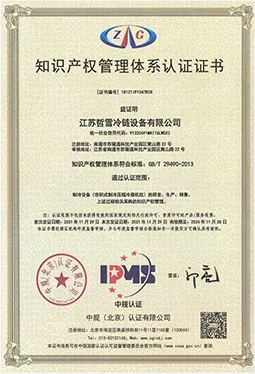
Official certification, professional after sales service.
Ultimate FAQ Guide to Evaporator
Q: How do I know what size evaporator I need?
Q: Can I use a larger evaporator than condenser?
Q: How do you size an evaporator to a condenser?
1. Select condensing unit with a lower capacity than the evaporator ( 90% to 100% of evaporator )
2. Design point - 38° sst (use 40°f for sizing purposes) if running room at 55°
3. Goldilocks type of conditions. Use a good average temperature not worst case scenario.
Q: How much does evaporator coil replacement cost on average?
Q: What Are the 4 Main Types of Evaporators?
Bare Tube Evaporators,
Plate Surface Evaporators,
Finned Tube Evaporators, and
Shell and Tube Evaporators.
Q: How long should an evaporator last?
Q: What are signs that you need a new evaporator coil?
Q: Should you repair vs. Replace your evaporator coil?
Q: What are the costs of additional hvac repairs?
Q: What is an evaporator coil vs. Condenser coil?
Q: Should you diy vs. Professional evaporator coil replacement?
Q: How can you save on evaporator coil replacement costs?
Q: How much does a new evaporator cost?
Q: Can an evaporator get clogged?
Q: How do I know if my evaporator coil needs cleaning?
Your electricity bill has been going up.
Your unit seems to be running longer for no reason.
Your home doesn't feel as cool as it should be.
The coil is covered in frost while running.
Higher indoor humidity.
Q: Which type of evaporator is best?
Q: What is an example of an evaporator?
Q: What is the most efficient evaporator?
Q: What is an evaporator used for?
Q: Can you mix match condenser and evaporator?
We're professional evaporator manufacturers and suppliers in China, specialized in providing high quality products and service. We warmly welcome you to buy customized evaporator at competitive price from our factory.
evaporator for employee satisfaction, evaporator for performance management