


Commercial Condensing Unit
Why Choose Us
Variety of products
Our company offers a wide range of products, can offer a wide variety of products or services to their customers. This provides more options to choose from and can improve customer satisfaction.
Reliable quality
Our company have quality assurance mechanisms in place to ensure that their products meet certain standards. This can provide customers with confidence that they are getting a reliable product.
Competitive pricing
Our company provides customers with competitive pricing on its products without compromising their quality.
Customer service
Our team is highly responsive and always available to assist our customers with any questions or concerns.
What Is Commercial Condensing Unit?
A commercial condensing unit is a type of refrigeration system commonly used in commercial buildings and applications. It plays a crucial role in the cooling and refrigeration process. The commercial condensing unit typically consists of several components, including a compressor, a condenser, and an evaporator. The compressor compresses the refrigerant, which increases its temperature and pressure. The hot compressed refrigerant then flows through the condenser, where it releases heat and condenses into a liquid. The liquid refrigerant is then sent to the evaporator, where it absorbs heat and cools the surrounding area.


Commercial condensing units offer several advantages, it's important to choose a unit that best suits the requirements of the particular commercial setting to maximize its benefits.The size and capacity of a commercial condensing unit depend on the specific cooling requirements of the facility. Different types of commercial condensing units may be available, such as air-cooled or water-cooled units, depending on the installation environment and preferences.
Reliability and durability
Built to withstand heavy usage, they are constructed with durable components for long-lasting performance.
Versatile applications
They can be used in a wide range of commercial settings, such as supermarkets, restaurants, offices, and warehouses.
High cooling capacity
These units are designed to handle the cooling demands of commercial spaces, providing efficient and effective temperature control.
Energy efficiency
Modern commercial condensing units often come with energy-saving features, helping to reduce operating costs and environmental impact.
Precise temperature control
Commercial condensing units allow for precise temperature regulation, crucial in applications where specific temperature ranges are required.
Easy maintenance
Many units are designed for easy access to components, making maintenance and servicing simpler and more efficient.
Improved indoor air quality
By maintaining proper temperature and humidity levels, these units can contribute to a better indoor environment and the comfort of occupants.
Remote monitoring and control options
Some commercial condensing units offer the ability to monitor and control operations remotely, providing greater convenience and energy management.
3 Different Types of Commercial Condensing Units
Single-split systems
As its name indicates, a single-split system connects one indoor unit to an outdoor unit. It is the most popular type of Commercial Condensing Units because it is more affordable and suitable for small commercial facilities.
Single-split systems work especially well for buildings that have many small rooms. They allow the occupants of the rooms to control the indoor environment independently. The single-split system of each room also does not affect other rooms; if one breaks down, the others will still work.
One disadvantage of single-split system is that they requires one indoor unit paired with one outdoor unit, which can take up a lot of space.
Multi-split systems
Multi-split systems take up less outdoor space and allows for better management over indoor units. These systems can connect multiple indoor units to one outdoor unit. Depending on the provider, multi-split systems can even connect up to ten units to a single outdoor unit. By using inverter technology, the compressor can run on various speeds, allowing each indoor unit to have its own setting.
However, these systems require more pipework to connect with each indoor unit, so the installation fee will be much higher than that of a single-split system.
VRF or VRV systems
A variable refrigerant flow (VRF) or variable refrigerant volume (VRV) system is a more sophisticated Commercial Condensing Unit. VRF and VRV refers to the same system, and these two acronyms can be used interchangeably.
Similar to a multi-split system, a VRF or VRV system also connects multiple indoor units to one outdoor unit. These systems are also able to capture heat absorbed from the air during the cooling process and redirect the heat to other parts of the facility that need it. It works especially well for facilities that require customized heating and cooling over multiple zones, such as restaurants, office buildings and factories.
A VRF or VRV system is more powerful than the other Commercial Condensing Units listed above. It can meet larger building’s heating and cooling requirements and the installation is quick and easy. Even though VRF and VRV systems have been around for decades, they have only just gained popularity in the United States in the last 10 years.
How Do You Maintain a Commercial Condensing Unit?


A standard quarterly maintenance inspection on a Commercial Condensing Unit will vary depending on the property type, Commercial Condensing Unit, and property size. Typically, it will include the following tasks.
Inspecting refrigerant levels and ensuring proper refrigerant charge
The technician will hook up gauges to the commercial condensing unit to measure the pressure and temperature of the refrigerant. Based on the readings, they can determine if the refrigerant level is correct. Undercharged systems will have low-pressure readings. Overcharged systems will have high pressures. Both under and overcharged pressures impair cooling capacity and efficiency.
If the refrigerant level needs adjusting, the technician will remove or add refrigerant as needed to bring it to the proper level recommended by the equipment manufacturer.
Checking for leaks in refrigerant lines
Technicians will visually inspect all refrigerant piping and components for signs of oil residue which can indicate a leak. They will also test connections and joints with an electronic leak detector to pinpoint any leaks.
Even very small leaks need to be repaired to prevent gradual refrigerant loss over time. Lost refrigerant will severely reduce cooling capacity and will be costly.
Cleaning condenser and evaporator coils
Commercial condensing unit and evaporator coils can accumulate dirt, dust, and other debris over time which blocks airflow. Technicians will thoroughly clean the coils by brushing or pressure washing. Chemical coil cleaners may also be used to break down stubborn buildup. These cleanings are typically done in the spring to prepare for higher summer temperatures.
Keeping coils free of debris maintains proper airflow for heat transfer and prevents the system from working harder to compensate.
Checking the condition of filters
The technician will inspect the hvac filter and recommend replacement if it appears clogged with dust and particles. A very dirty filter can cause reduced airflow to the commercial condensing unit. This strains the blower motor and decreases efficiency.
The filter type and replacement frequency depend on factors like air quality and daily runtime hours. Quarterly or monthly filter checks are typical.
Inspecting belts and pulleys
Technicians will check the condition of any belts used in the commercial condensing unit like blower belts. Cracked or worn belts should be replaced.
They will also examine pulleys and ensure belts have proper tension. Belt tension may need periodic adjusting as belts stretch over time. Proper belt tension and alignment prevent slippage, uneven wear, and undue stress on bearings.
Lubricating fan and motor bearings
Bearings allow the fan motor and blower components to spin freely. Lack of lubrication causes excessive wear. Technicians will lubricate bearings by adding just a few drops of the proper oil indicated by the bearing manufacturer. Too much oil can be damaging. Bearings that feel rough or make noise likely need to be replaced.
Checking drainage and drain pans
Commercial condensing units remove a lot of moisture from the air which gets drained as condensate. Technicians will verify the condensate drain line is flowing properly with no obstruction or leakage.
The technician will check for sludge, algae, and sediment buildup in the ac drain pan. This can clog drains. Drain tablets or pan treatments to prevent sludge are added to the pan reservoir. The pan is also regularly rinsed thoroughly.
Condensate backups and poor drainage can lead to water damage, mold growth, and drainage into the ductwork.
Applications of Commercial Condensing Unit
Commercial condensing units are used in heating, ventilation, and air conditioning (hvac) systems of all types. They may be purchased as standalone cooling units or merely components to larger hvac systems. Common commercial condensing unit applications include.
Supermarkets and grocery stores: These units are used to cool the display cases, freezers, and coolers in supermarkets and grocery stores to keep perishable foods fresh.
Restaurants and cafes: Commercial condensing units are employed to cool the kitchen areas, dining areas, and storage spaces in restaurants and cafes, providing a comfortable environment for customers and staff.
Hotels and motels: They are used to cool the guest rooms, lobbies, and conference rooms in hotels and motels, ensuring a pleasant stay for guests.
Offices and commercial buildings: Commercial condensing units are installed in offices and commercial buildings to maintain a comfortable working environment by cooling the indoor spaces.
Retail stores: These units are used in retail stores to cool the sales floors, stockrooms, and employee areas, creating a pleasant shopping experience for customers.
Medical facilities: They are employed in hospitals, clinics, and laboratories to control the temperature and humidity levels, ensuring the proper storage and functioning of medical equipment and supplies.
Data centers: Commercial condensing units are used in data centers to cool the servers and other electronic equipment, preventing overheating and ensuring reliable operation.
Schools and universities: These units are installed in schools and universities to cool classrooms, libraries, administrative offices, and other indoor spaces, creating a conducive learning environment.
Warehouses and logistics centers: They are used in warehouses and logistics centers to control the temperature and humidity levels, protecting stored goods from damage due to temperature fluctuations.
Industries with specific temperature requirements: Commercial condensing units are utilized in industries such as pharmaceuticals, laboratories, and manufacturing, where precise temperature control is crucial for the integrity of processes and products.

Size your commercial condensing unit in five steps:
● Calculate the square footage of the space you want to cool. Note: If your ceilings are higher than eight feet tall, the following calculations may need to be adjusted.
● Divide the square footage area by 500.
● Multiply the result from Step 2 by 12,000.
● Add 380 Btu for each building occupant, plus 1,200 Btu for each kitchen and 1,000 Btu for each window in the space.
● Convert the result from Step 4 to tons by dividing it by 12,000. This final number will indicate the commercial condensing unit size you will need for your building.
When choosing a commercial condensing unit, it's important to consider the size of the space to be cooled, the cooling load, and any specific temperature or humidity requirements. It's important to assess these factors based on the specific requirements of your commercial facility. Additionally, obtaining multiple quotes and comparing different options can help make an informed decision. Installing a properly sized and efficient commercial condensing unit will ensure optimal cooling performance and energy savings. When choosing a commercial condensing unit, here are some factors to consider.
Size and cooling capacity: Determine the size of the area that needs to be cooled and select a unit with an appropriate cooling capacity to meet the load requirements.
Cost: Consider the initial purchase cost as well as the long-term operating and maintenance costs.
Noise level: If the condensing unit will be located in a noise-sensitive area, check the noise specifications and choose a quiet unit.
Type of condenser: Decide between air-cooled or water-cooled condensing units based on the availability of cooling water and space constraints.
Energy efficiency: Look for units with high energy efficiency ratings to minimize operating costs and environmental impact.
Reliability and durability: Choose a reputable brand with a track record of reliability and durability to ensure long-term performance.
Controls and features: Consider the unit's control options, such as programmable thermostats, variable speed drives, and fault diagnostics.
Maintenance and serviceability: Evaluate the ease of maintenance, access to components, and the availability of replacement parts.
Our Factory
On October 27, 2017, Zhexue Group setled in Nantong.
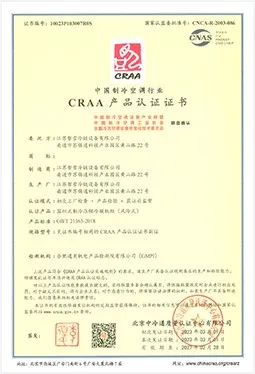
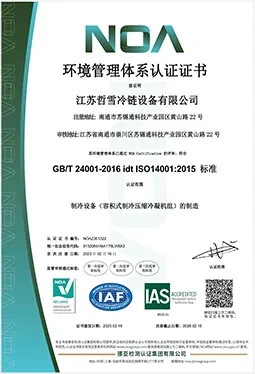
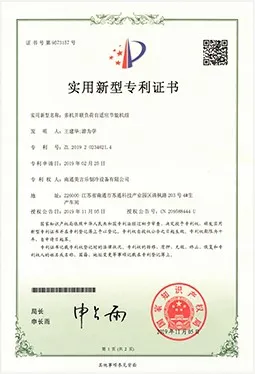
As a national high-tech enterprise, Zhexue has a construction enterprise qualification certificate, a special equipment production license of the People's Republic of China, a Chinese equipment maintenance and installation enterprise capability level certificate, a CRAA product certification certificate, and a safety production license. China Refrigeration Society unit membership certificate and other qualifications, and passed the ISO9001 quality management system, IS045001 occupational health and safety management system and S014001 environmental management system certifcation.
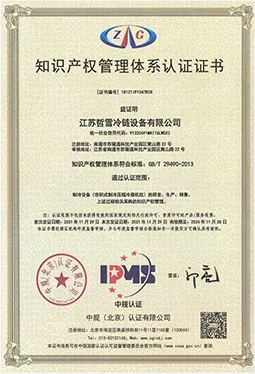
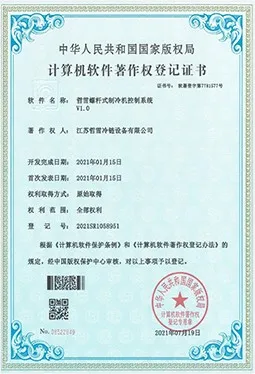
With refined product manufacturing and meticulous quality pursuit, Zhexue pilots and wins in the field of refrigeration, integrating advantages and innovating resources, focus on improving the enterprise's ability to integrate innovation and the ability to introduce, digest, absorb, and re- innovate, and embark on a road of innovation and entrepreneurship with independent itellectual property rights.


Our Honor
Official certification, professional after sales service.
Ultimate FAQ Guide to Commercial Condensing Unit
Q: What is a Commercial Condensing Unit?
Q: Does Commercial Condensing Unit Use In HVAC?
Q: What is the difference between commercial and residential AC systems?
Q: Why is Commercial Condensing Unit so expensive?
Q: What is the most Commercial Condensing Unit?
Q: What are the different types of Commercial Condensing Units?
Q: What refrigerant is used in Commercial Condensing Unit?
Q: What is the life of a Commercial Condensing Unit?
Q: What are the three basic types of Commercial Condensing Units?
Split HVAC systems.
CAV and VAV systems.
VRF HVAC systems.
Q: What size Commercial Condensing Unit do I need?
Q: Which type of AC is best for commercial use?
Q: What is the most common commercial condensing unit?
Q: What is the difference between commercial and residential ac units?
Q: Why is commercial condensing unit so expensive?
Q: What are commercial condensing units called?
Q: What is the average lifespan of a commercial condensing unit?
Commercial hvac equipment's expected lifespan. If you keep up with suggested maintenance, the average life expectancy of commercial hvac systems is 15 to 20 years. However, just as your bones, heart, and circulatory system won’t perform as efficiently if you don’t exercise, eat properly, and get enough sleep, your commercial hvac system will wear out more quickly if you don’t keep up with service and repairs.
Q: How often should an commercial condensing uni be balanced?
Q: How to structure an commercial condensing unit business?
Evaluate hvac business startup costs.
Study your market and make a list of the services.
Set prices that cover your expenditures.
Build an hvac business marketing strategy.
Hire a team of hvac technicians.
Monitoring your expenses.
Q: What is routine maintenance for commercial condensing unit?
Q: What is the difference between residential and industrial and commercial condensing unit?
We're professional commercial condensing unit manufacturers and suppliers in China, specialized in providing high quality products and service. We warmly welcome you to buy customized commercial condensing unit at competitive price from our factory.
standard commercial condensing unit, condensing unit for event venues commercial , importing commercial condensing unit